
Section outline
-
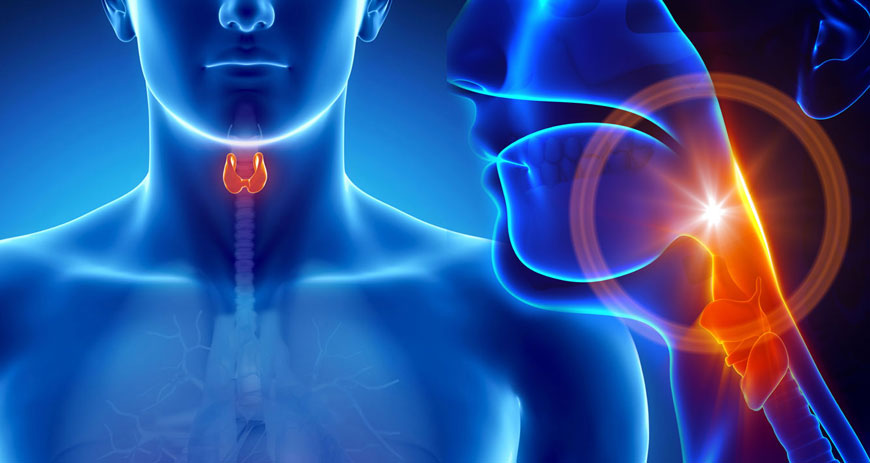
The endocrine system is a complex network of glands and organs that regulate nearly every physiological process in the body by secreting hormones—chemical messengers that travel through the bloodstream to target tissues. Unlike the nervous system, which delivers rapid, short-term signals, the endocrine system orchestrates slower but prolonged responses affecting growth & development (e.g., growth hormone), metabolism (e.g., thyroid hormones, insulin), reproduction (e.g., estrogen, testosterone), stress response (e.g., cortisol, adrenaline) and homeostasis (e.g., calcium balance, water retention). This topic sets to bring you into deeper exploration of gland-specific functions, hormone pathways, and clinical correlations.
4.1 Topic Learning Outcomes
By the end of this lesson, you should be able to:
4.1.1 Identify the main glands of endocrine system
4.1.2 Describe the main hormones secreted by the glands of endocrine system
4.1.3 Describe the functions of each glands of endocrine system
4.1.4 Explain the basic physiological process of endocrine system
4.2 List of Subtopics
4.2.1 Introduction to Endocrine System
4.2.2 Hormones
4.2.3 Glands of Endocrine System
4.2.3.1 Pituitary Gland
4.2.3.2 Thyroid Gland
4.2.3.3 Parathyroid Gland
4.2.3.4 Adrenal Gland
4.2.3.5 Pineal Gland
4.2.4 Pancreas
4.2.5 Gonads
4.2.6 Thymus
4.2.7 Negative Feedback Mechanisms
4.2.8 Positive Feedback Mechanisms4.3 Video LectureWatch the video assigned for this topic: The Endocrine System
(Duration: 9:23 mins)-
For further details, consult the accompanying lecture slides and recommended readings
-
Instruction: Guess the answer based on the given description related to endocrine system. Turn the card when you are ready to see the answer.
-
Topic: Endocrine System
Objective: Collaborate in small groups to discuss key questions about endocrine system, ensuring clear explanations and respectful dialogue.
Instruction: Divide among yourself into groups. Discuss within your group members based on the following questions. Aim for clear, concise answers with examples, where needed.- Why is the pituitary gland called the "master gland"? Debate whether this term is still accurate.
- Explain how thyroxine (T4) affects metabolism. What happens in hypothyroidism vs. hyperthyroidism?
- Describe the opposing roles of insulin and glucagon in blood glucose regulation. How does diabetes disrupt this balance?
-