
Section outline
-
Hi everyone!
Now let’s explore helminths. A group of parasitic worms that infect the human body. These organisms can evade immune responses and cause chronic health issues. These parasites are much larger than bacteria or viruses, and they often live in the intestines, bloodstream, or tissues. Infections from helminths are especially common in areas with poor sanitation or contaminated water. Unlike other microbes, helminths can evade the immune system and live for years inside the host. Understanding how they affect human health and how the body responds helps us recognize the importance of public health strategies, deworming programs, and good hygiene practices.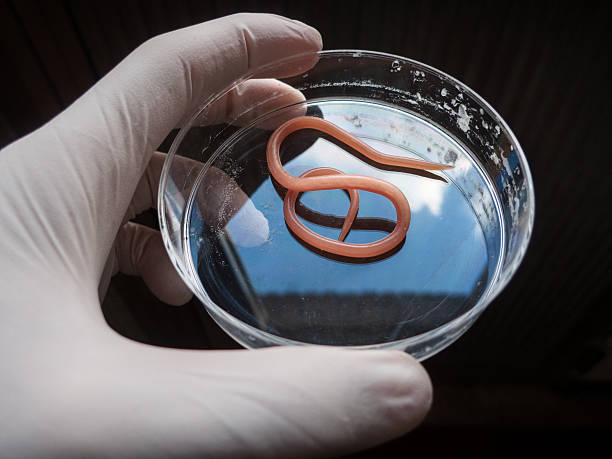
7.1 Topic Learning Outcome
By the end of this lesson, you will be able to:
7.1.1 Define helminths
7.1.2 Describe how helminths are transmitted.
7.1.3 Differentiate types of helminths (Nematode, Cestode and Trematode)
7.1.4 Identify the types of hosts involved in helminth life cycles.
7.1.5 Understand the health effects of helminth infections.7.2 List of Subtopics
7.2.1 What are helminths?
7.2.2 Common types (roundworms, flatworms, flukes)
7.2.3 Routes of transmission
7.2.4 Helminth Hosts: Definitive and Intermediate
7.2.5 Symptoms and health impacts7.3 Lecture Video
-
Activity 7.4
Objective:
To assess students' ability to accurately classify the key characteristics of trematodes, cestodes, and nematodes through an interactive drag-and-drop matching activity.Drag each characteristic to the correct helminth group (Trematode, Cestode, or Nematode). Each box accepts only the correct features.
-