
Section outline
-
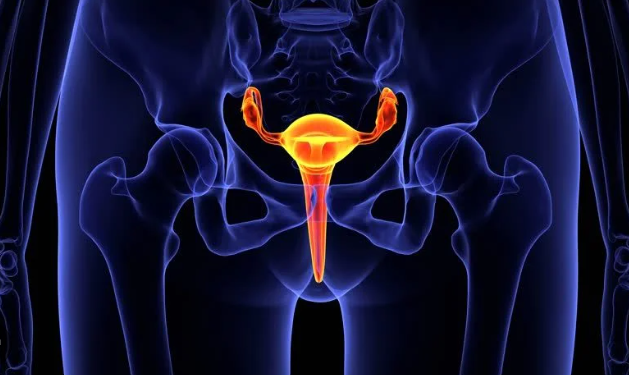
From ovulation to childbirth, the female reproductive system plays a vital role in human life. It is a complex and highly regulated system responsible for reproduction, hormone production, and supporting fetal development. The female reproductive system consists of internal and external organs that work together for reproduction, hormone secretion, and menstrual cycles. Let’s examine its structure, function, and key physiological processes that maintain reproductive health.
5.1 Topic Learning Outcomes
By the end of this lesson, you should be able to:
5.1.1 Identify the female reproductive organs
5.1.2 Describe the functions for each of the organs
5.1.3 Describe the oogenesis process and menstrual cycle
5.2 List of Subtopics
5.2.1 Introduction to Female Reproductive System
5.2.2 Female Reproductive Organs
5.2.2.1 Ovary
5.2.2.2 Fallopian Tube
5.2.2.3 Uterus
5.2.2.4 Vagina
5.2.2.5 Vulva
5.2.2.6 Mammary Glands
5.2.3 Oogenesis
5.2.4 Menstrual Cycle
5.2.5 Menopause
5.2.6 Secondary Sex Characteristics - Female5.3 Video LectureWatch the video assigned for this topic: Female Reproductive System(Duration: 19:18 mins)-
For further details, consult the accompanying lecture slides and recommended readings
-
Instruction: Drag each label from the box and drop it onto the correct part of the organs of female reproductive system
-
Instruction: Choose ONE (1) correct answer for each questions
-
Topic: Reflection Session
Objective: Collaborate in small groups to discuss key questions about female reproductive system, ensuring clear explanations and respectful dialogue.
Instruction: Divide among yourself into groups. Discuss within your group members based on the following questions. Aim for clear, concise answers with examples, where needed.- How does understanding the female reproductive system impact your future healthcare practice?
- As a future healthcare provider, what’s one reproductive health topic you think is most important to educate patients about? Why?
-