
Section outline
-
Hi everyone! Welcome to our very first microbiology lesson! We’re going to learn about tiny living things that we can’t see with our eyes, but they’re very important to us and our world.
1.1 Topic Learning Outcome
By the end of this lesson, you should be able to:
1.1.1 Define microorganisms and microbiology.
1.1.2 Describe the historical development of microbiology and the contributions of key scientists.
1.1.3 Differentiate between light and electron microscopes and their uses.
1.1.4 Explain the methods and techniques used in studying microorganisms.
1.1.5 Discuss the roles of microorganisms in industry, medicine, ecology, and biotechnology.
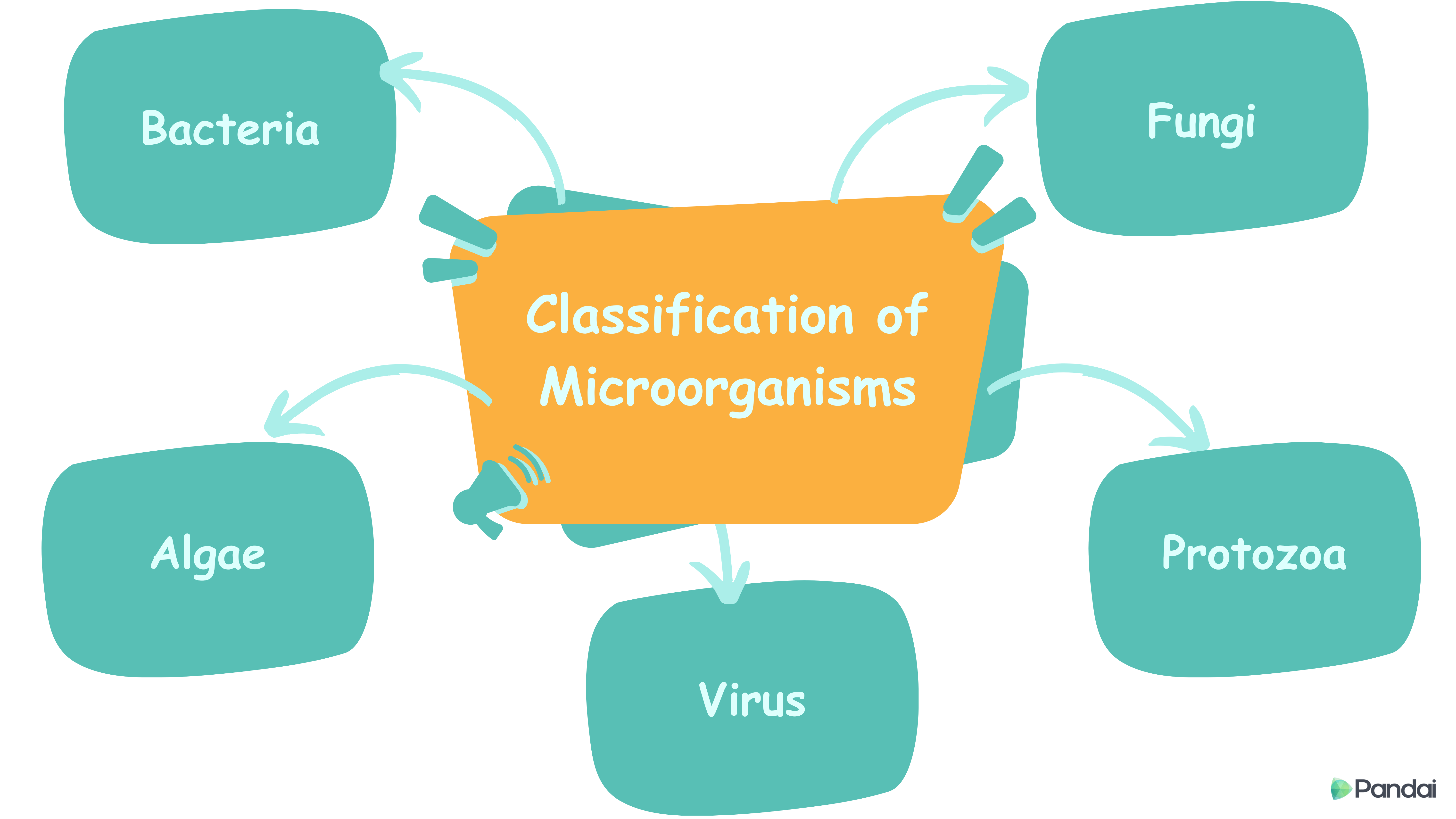
1.2 List of Subtopics1.2.1 Introduction to microorganisms and microbiology1.2.2 Two Main Types of Microbes (Cellular and Acellular microbes)1.2.3 Brief history of microbiology and key scientists1.2.4 Tools for studying microorganisms: Light microscope and electron microscope1.2.5 Culture media for growing microbes1.2.6 Importance and beneficial roles of microorganisms1.3 Lecture VideoWatch the video assigned for this topic: Introduction to Microbiology(Duration: 15:20 mins)-
Dear Students,
For this forum discussion, please share your understanding of microorganisms and their roles in daily life and the environment. Here are some questions to guide your response:
-
What are 3 places where you encounter microorganisms in daily life?
-
Why can’t we see most microbes without a microscope?
-
How do decomposer microbes help the environment?
-
Why are nitrogen-fixing bacteria important for plants?
Please make sure to provide clear and concise explanations to help your classmates understand the topic better. Also, don't forget to engage in respectful and constructive discussions with your peers by replying to at least one other post.
-
-
Students mustMark as done
For this activity, you will match each scientist to their significant contributions in the field of microbiology.
- Read the list of scientists and their contributions carefully.
- Drag each scientist's name to the corresponding box based on their work in microbiology.
-
Explore a virtual light microscope and identify the parts and their functions.
1. Download and read the uploaded instructions for the Virtual Microscope Simulation (PDF file)
2. Go to the simulation link: http://www.ncbionetwork.org/iet/microscope/.
3. Follow the procedure carefully based on the PDF instructions.
4. Answer all the questions included in the instruction PDF.
5. Complete the test provided in the simulation lab.
Reference: Virtual Microscope. (2023). NC Community College | BioNetwork. Retrieved from http://www.ncbionetwork.org/iet/microscope/ -
Students mustMark as done
Assessment
Dear students,
After you have reviewed the course material on microorganisms and microbiology, please proceed with the following quiz to test your understanding. Complete the quiz with both multiple-choice and short answer questions, and submit your answers when finished.
-