
Section outline
-
Hello everyone,
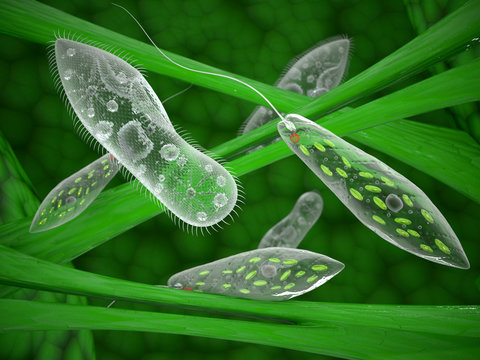
Today, we’re going to explore a fascinating but important group of microorganisms called protozoa. These are single-celled parasites that can cause a wide range of diseases in humans, especially in tropical and subtropical regions. Despite their small size, protozoa can lead to serious illnesses, some of which are life-threatening.
Protozoa live in moist environments and are often spread through contaminated water, food, insect vectors, or poor hygiene practices. Some well-known diseases caused by protozoa include malaria, amoebiasis, and giardiasis. Because they can invade various parts of the body like the blood, intestines, and brain, it’s crucial for healthcare workers to understand how protozoa spread, how they affect the body, and how we can prevent and treat these infections.
6.1 Topic Learning Outcomes
By the end of this lesson, you will be able to:
6.1.1 Define protozoa and explain their characteristics.
6.1.2 Describe the life cycle stages of protozoa (cyst, trophozoite, excystation, encystation).
6.1.3 Identify common pathogenic protozoa and the diseases they cause.
6.1.4 Explain the modes of transmission of protozoan infections.
6.2 List of Subtopics
6.2.1 Introduction to Protozoa
6.2.2 Life Cycle of Protozoa
6.2.3 Pathogenic Protozoa and Related Diseases
6.2.4 Modes of Transmission
6.2.5 Ecological Roles of Protozoa
6.3 Lecture Video-
Activity 6.4
Read each case study carefully and answer the questions that follow. Your answers should demonstrate your understanding of protozoan life stages, modes of transmission, and clinical implications. Provide clear and concise responses based on your knowledge of protozoan parasites.
-