
Section outline
-
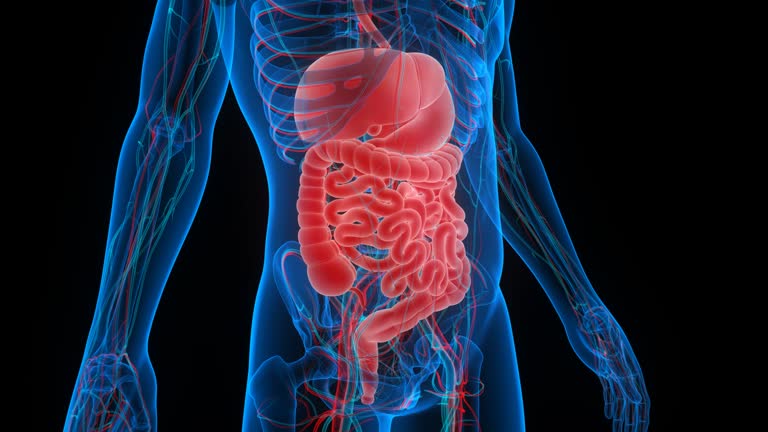
The digestive system is a complex network of organs responsible for breaking down food, absorbing nutrients, and eliminating waste from the body. Its primary function is to convert the food we eat into energy and essential molecules needed for growth, repair, and overall bodily functions. The digestive system works like a processing factory, transforming food into usable nutrients while efficiently discarding waste. Therefore, it is an essential to understand its structure and function to comprehend nutrient absorption, metabolic processes and related pathologies.
1.1 Topic Learning Outcomes
By the end of this lesson, you should be able to:
1.1.1 Describe the main organs and functions of digestive system
1.1.2 Explain the basic physiological process of digestive system
1.1.3 Identify the enzymes and chemical activities involved in the system
1.2 List of Subtopics
1.2.1 Main Organs of Digestive System
1.2.2 Main Functions of Digestive System
1.2.3 Microscopic of Digestive System
1.2.4 Mouth
1.2.5 Pharynx
1.2.6 Esophagus
1.2.7 Stomach
1.2.8 Small Intestine
1.2.9 Large Intestine
1.2.10 Pancreas
1.2.11 Liver
1.2.12 Gallbladder
1.2.13 Phases of Digestion1.3 Video LectureWatch the video assigned for this topic: The Digestive System(Duration: 9:38 mins)-
For further details, consult the accompanying lecture slides and recommended readings
-
Instruction: Drag and drop the words into their appropriate sections.
-
Topic: Digestive System
Objective: Collaborate in small groups to discuss key questions about digestion, ensuring clear explanations and respectful dialogue.
Instruction: Divide among yourself into groups. Discuss within your group members based on the following questions. Aim for clear, concise answers with examples, where needed.- How does the structure of the small intestine relate to its function in absorption?
- Compare the mechanical and chemical digestion, giving examples of each.
- Why is the stomach lining protected from its own acidic environment? What happens if this protection fails?
-