
Section outline
-
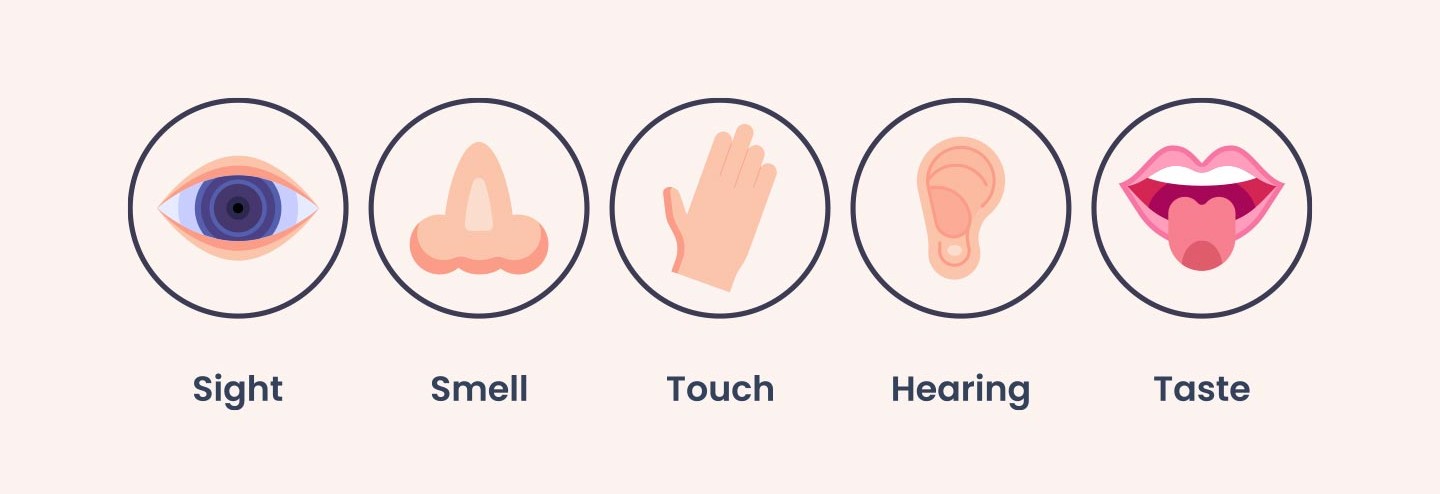
The human body interacts with its environment through five major senses: vision, hearing, taste, smell, and touch. Among these, the special sense organs—the eyes, ears, tongue, and nose—play a crucial role in detecting and processing sensory information. These highly specialized structures allow us to perceive light, sound, flavors, and odors, contributing to our survival and daily experiences. Any impairment in these systems can significantly impact quality of life, leading to conditions like blindness, deafness, or loss of taste. Understanding their anatomy and physiology is not only crucial for medical professionals but also helps us appreciate the delicate mechanisms behind human perception.
3.1 Topic Learning Outcomes
By the end of this lesson, you should be able to:
3.1.1 Describe the structures of special sense organs
3.1.2 Explain the main functions for each structures of special sense organs
3.1.3 Explain the basic physiological process of special sense organs
3.2 List of Subtopics
3.2.1 Introduction to Special Sense Organs
3.2.2 Olfaction
3.2.3 Gustation
3.2.4 Vision
3.2.5 Hearing & Equilibrium
3.2.6 General Senses3.3 Video LectureWatch the video assigned for this topic: Special Sense Organs
(Duration: 22:47 mins)-
For further details, consult the accompanying lecture slides and recommended readings
-
Instruction: Drag each label from the box and drop it onto the correct part of the ear
-
Instruction: Drag each label from the box and drop it onto the correct part of the eye
-
Topic: Debate On Sensory Adaptations
Objective: Collaborate in small groups to discuss key questions about special sense organs, ensuring clear explanations and respectful dialogue.
Instruction: Divide among yourself into groups of Team Vision, Team Hearing, Team Smell and Team Taste. Each group will present arguments with anatomical/physiological evidence. Aim for clear, concise answers with examples, where needed.
Topic to Debate: "Which special sense is most vital for survival?"
-